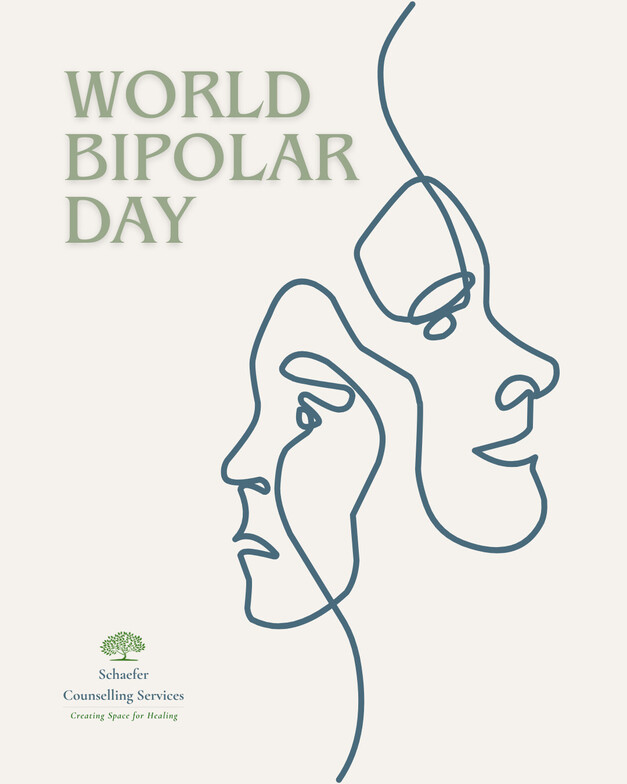
Every year on March 30, people around the world observe World Bipolar Day. This day is dedicated to increasing understanding of bipolar disorder, reducing stigma, and supporting those who live with mood fluctuations and their families.
Understanding Bipolar Disorder
Bipolar disorder is a mental health condition that affects mood, energy, and activity levels. People living with it may experience periods of elevated or irritable mood (mania or hypomania) and periods of low mood (depression). These shifts are real, often challenging, and can impact daily life.
It’s important to remember that bipolar disorder is more than its symptoms. With proper support, treatment, and self-care strategies, many people live meaningful, productive, and fulfilling lives.
How You Can Support Awareness
- Educate Yourself and Others: Learn about bipolar disorder to challenge myths and reduce stigma.
- Offer Empathy and Understanding: Listening without judgment and showing compassion can make a meaningful difference.
- Promote Professional Care: Encourage friends, family, or colleagues who may be struggling to seek guidance from qualified mental health professionals.
- Celebrate Strengths: People living with bipolar disorder often show remarkable resilience, creativity, and problem-solving skills. Highlighting these strengths shifts the focus from stigma to empowerment.
Practical Tips for Mental Health Support
Even if you don’t live with bipolar disorder yourself, taking care of your mental health and supporting others can help build a healthier, more understanding community:
- Check In Regularly: A quick conversation or thoughtful message can show support.
- Encourage Mindful Practices: Simple strategies like grounding exercises, guided meditation, or journaling can support emotional regulation.
- Promote Balanced Routines: Sleep, nutrition, and movement are all important for mental wellness.
A Reminder on Empathy
World Bipolar Day is a chance to honour those living with the condition and reflect on how we can make mental health care and support accessible and stigma-free. Every small act of understanding, education, and empathy contributes to a more compassionate community.
For more guidance on supporting mental health, reducing stress, or learning coping strategies, browse my website or follow us on social media @SchaeferCounsellingServices.
—Annika

Annika Schaefer
Contact Me