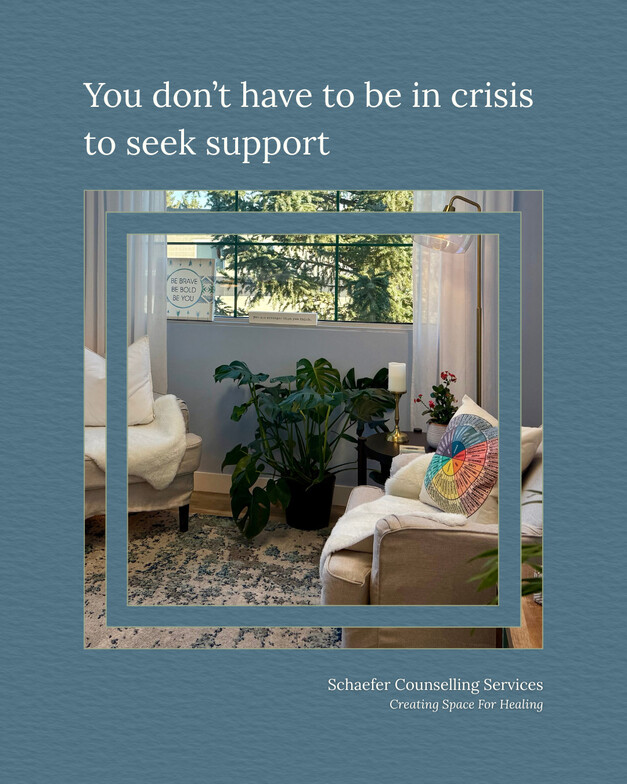
When most people think of therapy, they imagine a dramatic moment of crisis: a breaking point, a life turned upside down, or something that feels “so bad” that professional help is the only option. But in reality, therapy is not just for emergencies. You don’t need to be in crisis to seek support—it’s just as valuable to come when things are manageable but you’re seeking clarity, care, or a sense of balance.
Therapy as Maintenance, Not Just Crisis Care
Many people start therapy not because their world has fallen apart, but because they are tired of holding it all alone. Perhaps you’ve been carrying stress quietly, managing difficult emotions privately, or feeling worn down by life’s daily challenges. Even if things aren’t “the worst they could be,” these feelings matter.
You don’t have to measure your pain against anyone else’s to deserve care. Each person’s experience is valid, and acknowledging that you could use support is a sign of self-awareness—not weakness.
Therapy can function like preventive care for your emotional well-being. Just as you might schedule a regular check-up with your doctor before an illness develops, therapy allows you to process, reflect, and strengthen your emotional resilience before things feel unmanageable.
Signs That It Might Be Time to Seek Support
You might be wondering whether therapy is “right” for you at this moment. Some common signs that people start therapy include:
- Feeling emotionally or mentally exhausted without an obvious cause
- Struggling with stress, anxiety, or low mood that is persistent but not overwhelming
- Wanting guidance to navigate relationships, boundaries, or personal growth
- Seeking a safe space to reflect without judgment
- Feeling a need for support before challenges escalate
Even noticing curiosity about therapy—asking yourself, “Would this help me?”—is enough to consider taking the first step.
The Benefits of Seeking Therapy Early
Therapy offers many benefits even when life isn’t in crisis:
- A Gentle, Confidential Space
You have a place to share honestly, without fear of judgment or comparison. - Clarity and Reflection
Therapy can help you see patterns, identify needs, and make decisions that align with your values. - Emotional Regulation and Resilience
By learning coping strategies and understanding your emotional responses, you build tools to manage future challenges more easily. - Preventative Support
Attending therapy before things reach a breaking point can prevent bigger mental health concerns later. - Self-Validation
Seeking therapy reinforces the idea that your experience is valid, no matter how it compares to anyone else’s.
Therapy is Personal and Individualized
Everyone’s journey is different. Some come to therapy during a major life transition, while others come because they want consistent support in managing day-to-day stress. Some people want structured techniques for anxiety or depression, while others are looking for reflection, guidance, or simply a compassionate listener.
Therapy isn’t about who has it “worse.” Your experience is real, and your feelings are worthy of attention. You don’t need to wait for a crisis to start taking care of yourself.
Taking the First Step
If you’ve been wondering whether therapy might help, that alone is a valid starting point. You don’t need a dramatic reason or a perfect plan—simply noticing your desire for support is enough.
When you feel ready, you can explore available sessions. Even just browsing the options or learning more about what therapy involves can be a gentle first step toward emotional care.
Final Thoughts
Therapy is an act of self-care and courage. It doesn’t require crisis or tragedy—only the willingness to notice yourself and honour your needs. Starting therapy when you’re not in crisis allows you to build emotional strength, develop insight, and create a supportive foundation that will carry you through life’s inevitable challenges.
Remember: you don’t have to measure your pain against anyone else’s to deserve care, and that curiosity alone is a valid starting point.
Your experience matters. Your feelings matter. And taking even a small step toward support is a meaningful way to honour yourself.
—Annika

Annika Schaefer
Contact Me