It’s Organ and Tissue Donation Awareness Week—a week that carries a lot of weight, reflection, and quiet gratitude.
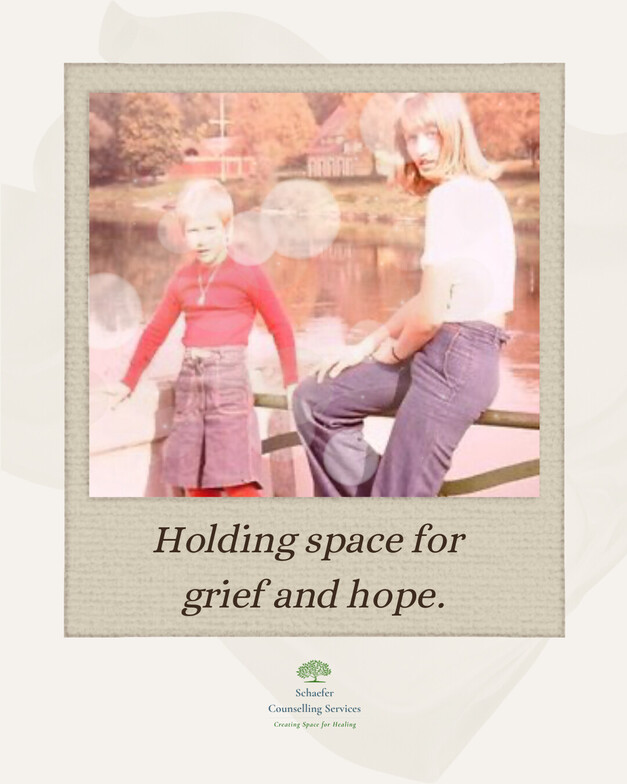
For many people, this is a topic that sits somewhere in the background of life until it becomes personal. For me, it became deeply personal many years ago when my older sister passed away and became an organ donor.
That experience didn’t just change how I understand donation. It changed how I understand grief itself.
Grief and generosity can coexist
When we talk about loss, we often imagine it as something singular—something that is only pain, only absence, only endings.
But grief is rarely that simple.
In my own experience, I came to understand something that has stayed with me both personally and professionally: grief and generosity can exist side by side. The loss of my sister was profound and life-altering. And alongside that loss was the knowledge that something meaningful continued through her decision to become a donor.
It didn’t take away the grief. It didn’t soften the reality of missing her. But it did add another layer—one that exists quietly alongside the pain.
Holding space for “two truths”
In counselling, I often speak about the idea of holding space for two truths at once.
We are not required to choose only one emotional experience. We can hold sadness and meaning. Absence and connection. Grief and gratitude.
Organ and tissue donation is one of those experiences that brings this into focus in a very real way. A family can be navigating the most difficult moment of their lives while also knowing that another family may receive hope, healing, or even life itself.
Both truths are real. Both matter.
The complexity behind donation
These conversations are not simple ones. They can bring up discomfort, emotion, cultural beliefs, uncertainty, and deeply personal reflection. There is no single “right” way to feel about them.
Whether someone chooses to register as a donor or not, what matters most is that the conversation is approached with care, respect, and understanding.
For families who have experienced donation in the midst of loss, there is often a complex layering of meaning that can be difficult to put into words. It is tender work—emotionally and relationally.
An invitation to gentleness
Not everyone is in a place to engage with this topic. For some, it may bring up grief. For others, it may feel too distant or overwhelming to consider. And that is valid.
We all carry different experiences, histories, and emotional capacities.
If you are holding your own “two truths” right now—whatever they may be—I hope you can do so with gentleness toward yourself.
Closing reflection
This week is an opportunity to reflect on the many ways meaning, legacy, and care can extend beyond a single lifetime.
In memory of my sister, and in gratitude for the donors and families who make these decisions possible.
—Annika

Annika Schaefer
Contact Me