Today is International Widows’ Day—a day to recognize the experiences of widows around the world and to bring attention to a form of loss that is often deeply felt, yet frequently overlooked in public conversation.
Widowhood is not only an experience of grief. For many, it is also a profound life transition that can involve emotional, social, and economic challenges. Alongside the pain of losing a partner, individuals may also find themselves adjusting to new roles, navigating changes in identity, and managing day-to-day responsibilities without the person they once shared life with.
The Invisible Burdens of Widowhood
While every experience of loss is unique, widowhood can carry what are often described as “invisible burdens.” These may include loneliness, shifts in social connection, or feeling less seen in a world that tends to move quickly past grief. In some contexts, there can also be stigma or limited access to support, which can further complicate the grieving process.
Grief does not unfold in a straight line, and it does not exist in isolation from the world around it. Culture, community, and available supports all shape how loss is experienced and integrated over time. What remains consistent, however, is the human need for dignity, safety, and belonging in the aftermath of loss.
Responding with Care, Not Silence
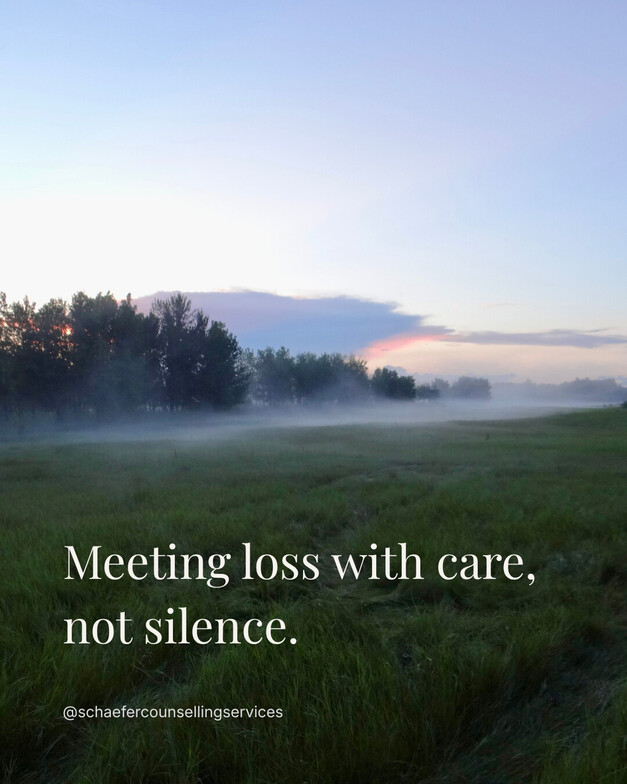
International Widows’ Day invites us to pause and notice what is often not spoken about—the ongoing nature of grief, and the importance of responding to it with care rather than silence. Sometimes support does not require the right words. It can look like presence. It can look like remembering someone’s person. It can look like making space for stories that continue, even after a death has occurred.
For those who know someone living through widowhood, small gestures can carry significant meaning. Listening without rushing to fix. Acknowledging the person who has died. Staying present when conversations feel difficult or uncertain. These acts do not erase grief, but they can help soften its isolation.
Grief Does Not End
Grief does not end with a date on a calendar. And neither does the need for support.
If you are navigating the loss of a partner, support does not have to be something you carry alone. Reaching out—to a friend, family member, or professional—can be a gentle first step toward sharing what has been held in silence. There is no single way to grieve, and no timeline that must be met.
What matters is not doing it “right,” but not having to do it alone.
Take good care.
—Annika

Annika Schaefer
Contact Me