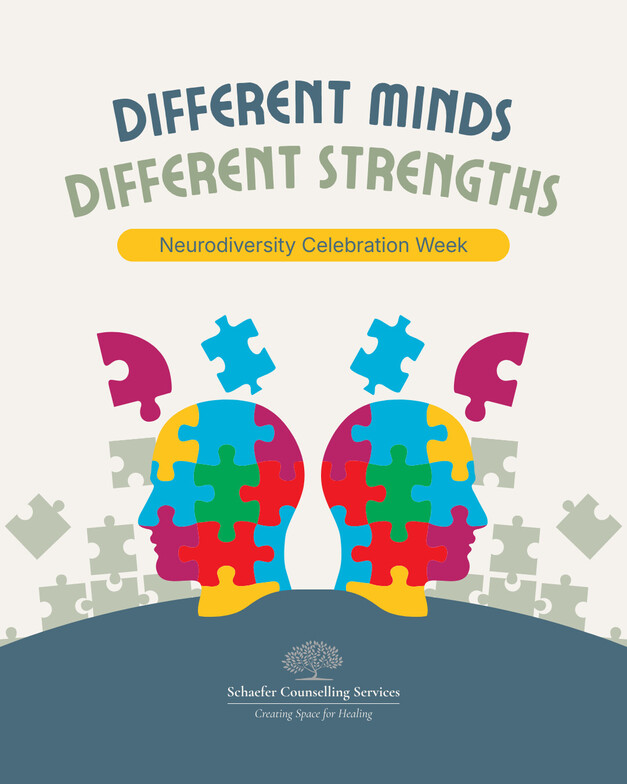
Each year, Neurodiversity Celebration Week invites us to pause and reflect on the many ways human brains think, learn, process information, and experience the world. Rather than viewing these differences only through a medical or deficit-based lens, the concept of neurodiversity recognizes that neurological differences are a natural and valuable part of human diversity.
For many people, this shift in perspective can be deeply meaningful. It moves the conversation from “What is wrong?” to “What support helps this person thrive?”
What Is Neurodiversity?
The term neurodiversity refers to the natural variation in how brains function. Just as people differ in personality, culture, and life experience, they also differ in how they think, focus, communicate, and process sensory information.
Neurodiversity includes individuals who identify as neurodivergent, such as people with:
- Autism
- ADHD
- Dyslexia
- Dyspraxia
- Tourette syndrome
- Other neurological differences
For many neurodivergent individuals, these differences are not simply challenges—they can also be associated with meaningful strengths, including creativity, innovation, deep focus, empathy, strong pattern recognition, and unique problem-solving abilities.
At the same time, it is important to acknowledge that neurodivergent individuals can face real difficulties, particularly when environments are not designed with different needs in mind.
The Role of Environment
Many challenges experienced by neurodivergent individuals arise not solely from neurological differences themselves, but from mismatches between individuals and their environments.
For example, traditional school or workplace settings may emphasize:
- prolonged sitting
- rapid task switching
- high sensory stimulation
- rigid communication styles
- narrow definitions of productivity
When environments expect everyone to function in the same way, individuals who process information differently may feel misunderstood, overwhelmed, or excluded.
Creating more inclusive environments might involve:
- flexible work or learning approaches
- clear and direct communication
- sensory-friendly spaces
- opportunities for movement or breaks
- strengths-based collaboration
Small adjustments can make a significant difference in helping people feel supported and capable.
Moving from Awareness to Acceptance
Awareness of neurodiversity has grown significantly in recent years. However, true inclusion involves moving beyond awareness toward acceptance and meaningful support.
This includes:
- listening to the lived experiences of neurodivergent individuals
- reducing stigma around neurological differences
- recognizing strengths alongside challenges
- advocating for accessible environments
- creating systems that support diverse ways of thinking and learning
When communities take these steps, neurodivergent individuals are more able to participate fully and contribute their unique perspectives.
The Role of Mental Health Support
For some neurodivergent individuals, navigating environments that feel overwhelming or invalidating can impact emotional well-being. Experiences such as masking, chronic stress, misunderstanding, or burnout are not uncommon.
Counselling can provide a space to:
- explore identity and self-understanding
- process experiences of stigma or exclusion
- develop coping and self-regulation strategies
- strengthen self-advocacy skills
- build self-compassion and resilience
At Schaefer Counselling Services, we approach therapy from a strengths-based, neurodiversity-affirming perspective, valuing each person’s unique way of thinking instead of expecting conformity.Celebrating Different Ways of Thinking
Neurodiversity Celebration Week is ultimately about recognizing that there is no single “right” way for a brain to work.
When families, educators, workplaces, and communities embrace diverse ways of thinking, we create environments where more people feel valued, understood, and able to thrive.
Different minds bring different perspectives.
And those perspectives enrich our communities in powerful ways.
—Annika

Annika Schaefer
Contact Me