As the days grow shorter and the mornings become darker, you may notice subtle changes in how you feel. Perhaps your energy is a little lower, motivation is harder to find, or the things that usually bring you enjoyment require a little more effort.
If this sounds familiar, you’re not alone.
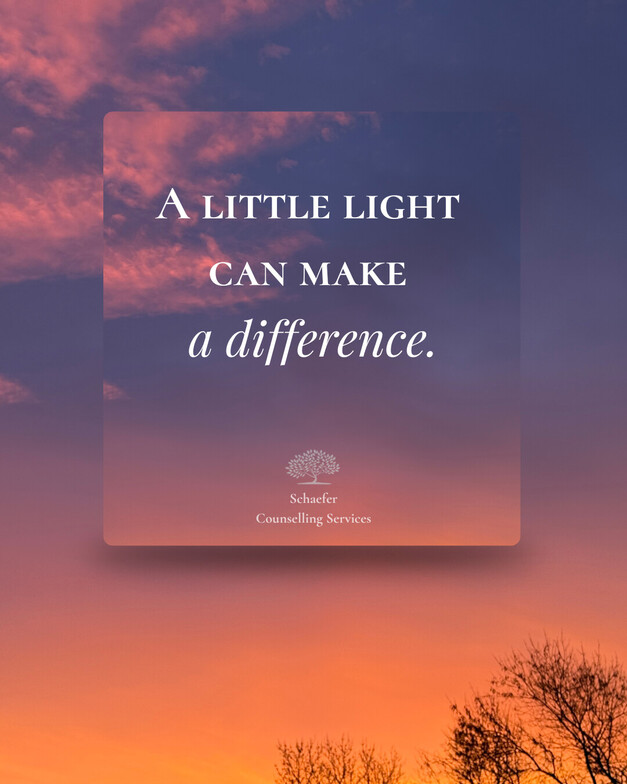
I took this photo this week as Miss Mabel and I set out on our morning walk. We watched the sky slowly brighten, becoming more beautiful with each passing moment. It was a lovely reminder of how much good a little time outside can do, even on a chilly morning when getting out the door takes a bit of extra motivation.
Understanding the Seasonal Shift
Changes in daylight can influence our sleep-wake cycles, energy levels, and mood. During the fall and winter months, reduced exposure to natural light, changes in daily routines, and spending more time indoors can all contribute to how we feel.
You might notice that you feel more tired than usual, have difficulty getting motivated, prefer to spend more time at home, or find yourself feeling a little less like yourself.
For some, these changes are relatively mild and temporary. For others, seasonal shifts can have a more noticeable impact on emotional well-being and everyday functioning.
Whatever your experience, it is worth paying attention to what you need during this time of year.
Small Ways to Support Your Well-Being
You don't need to make significant changes to your routine to support your mental health during the darker months. Sometimes, small and consistent steps can make a meaningful difference.
Here are a few things to consider:
1. Get outside in natural light.
Even when the sky is overcast, spending time outdoors can be beneficial. A short morning walk, stepping outside during a break, or enjoying a few minutes of fresh air can help you reconnect with your surroundings and incorporate more natural light into your day. Start with 10 minutes if that feels manageable.
2. Maintain a consistent sleep routine.
With darker mornings and earlier evenings, it can be tempting to let your sleep schedule shift. Try to maintain relatively consistent sleep and wake times, including on weekends. A predictable routine can help support your body's natural sleep-wake rhythm.
3. Make space for things you enjoy.
When energy and motivation are lower, enjoyable activities can sometimes be the first things to disappear from our schedules. Rather than waiting until you feel motivated, consider intentionally planning something small to look forward to each week. It might be a favourite activity, a creative outlet, a walk, or a quiet evening doing something you enjoy.
4. Stay connected.
When you're feeling tired or less motivated, withdrawing from social activities can feel easier. While it is important to honour your need for rest, maintaining connections with people who make you feel supported can also be helpful. A phone call, a coffee with a friend, or a simple check-in can go a long way.
5. Be mindful of your expectations.
You may not have the same energy or capacity throughout the year, and that's okay. Consider whether you're holding yourself to expectations that don't reflect how you're feeling right now. Adjusting your pace, allowing yourself to rest, and focusing on what feels manageable are all ways of practising self-compassion.
When a Little Extra Support May Help
While some seasonal changes in energy and mood are common, you don't have to dismiss persistent or more significant changes as simply part of the season.
If you notice ongoing low mood, loss of interest in activities, changes in sleep or appetite, difficulty concentrating, or challenges managing everyday responsibilities, it may be helpful to speak with a mental health professional. Seasonal Affective Disorder (SAD) is one form of depression associated with seasonal patterns, and support is available.
Counselling can provide a space to explore what you're experiencing, better understand patterns in your mood and behaviour, and develop strategies that support your emotional well-being.
A Gentle Reminder This Season
As we move further into the fall and winter months, I invite you to be gentle with yourself. You don't have to be productive every day, maintain the same pace throughout the year, or have everything figured out.
Sometimes, taking care of yourself begins with something as simple as getting outside, reaching out to someone you trust, or giving yourself permission to slow down.
And remember, you don't have to navigate the harder days alone.
If you're considering counselling, I currently have openings. A free Meet and Greet is a simple, no-obligation first step to connect, ask questions, and explore whether working together might be a good fit.
You deserve support in every season.
—Annika

Annika Schaefer
Contact Me